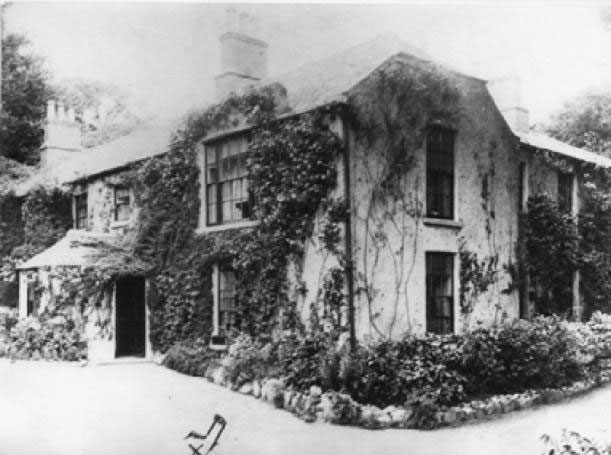
Killiney House
This is possibly the most significant dwelling on the southern side of the hill. There is evidence held by the Gaynor family who were in possession of this property………

A history of people, places and houses
 author
This is possibly the most significant dwelling on the southern side of the hill. There is evidence held by the Gaynor family who were in possession of this property………

Beechwood House, which had been built by 1787, stood on a narrow site at the bottom of Ballinclea Road. A five-windowed, two-storey-over-basement house, it appears to have been remodelled in Victorian times
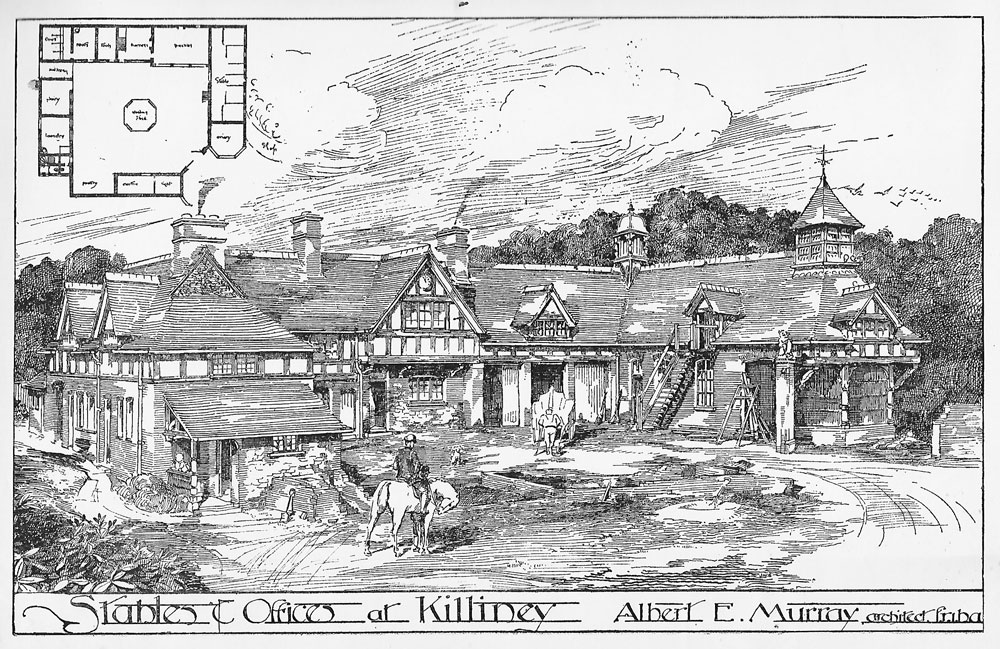
There is an enclosed yard, with coal houses, fuel rooms, and closets. The out-offices, erected on the most modern principle, contain an aviary, stabling for eight horses
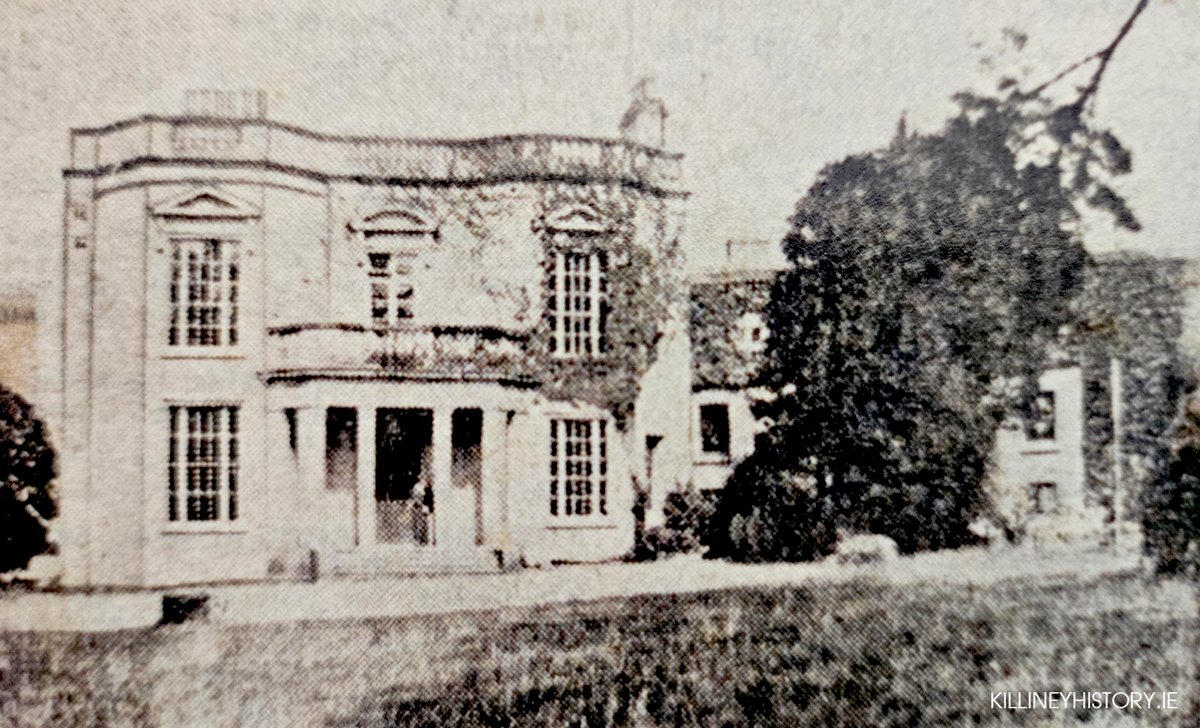
Ballinclea House stood between Bellevue Park and Roche’s Hill on the east side of Ballinclea Road, but was demolished during the 1950s. It was an attractive late-Georgian house, built about 1800, with double bows.

On the west side of Killiney, looking back over Dublin Bay, is Bellevue Park, now occupied by the St Joseph of Cluny convent and school. Bellevue once controlled a large estate which extended as far as Glenageary
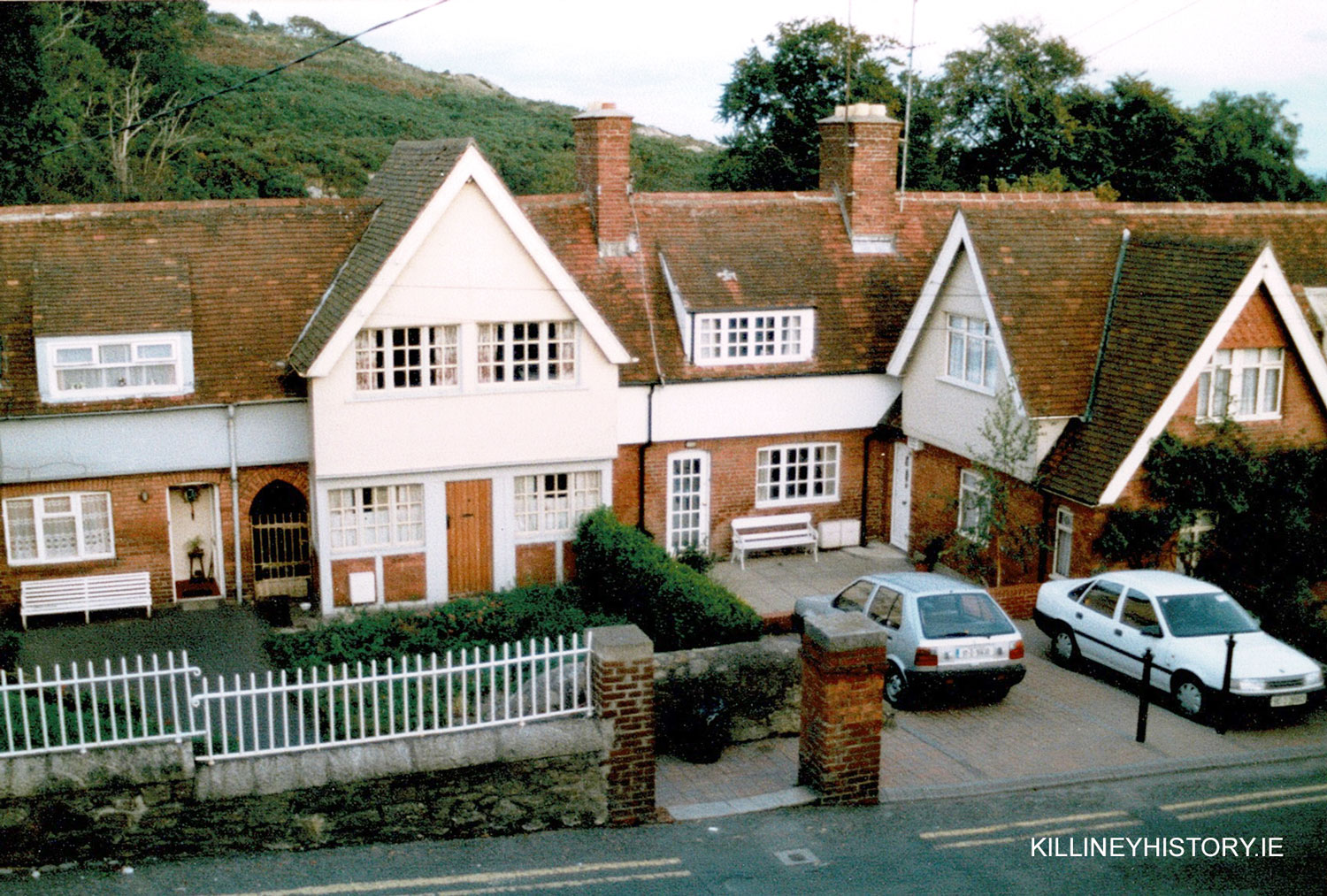
Attributed to the eminent Victorian architect, Sir Thomas Deane, this set piece terrace of redbrick cottages was built for the labourers and families who worked on the adjoining Warren estate.

Introduction We are fortunate to have been given a copy of an unpublished history of Killiney called “Killiney Surroundings”. This work consists of a collection of essays and notes compiled … Read more
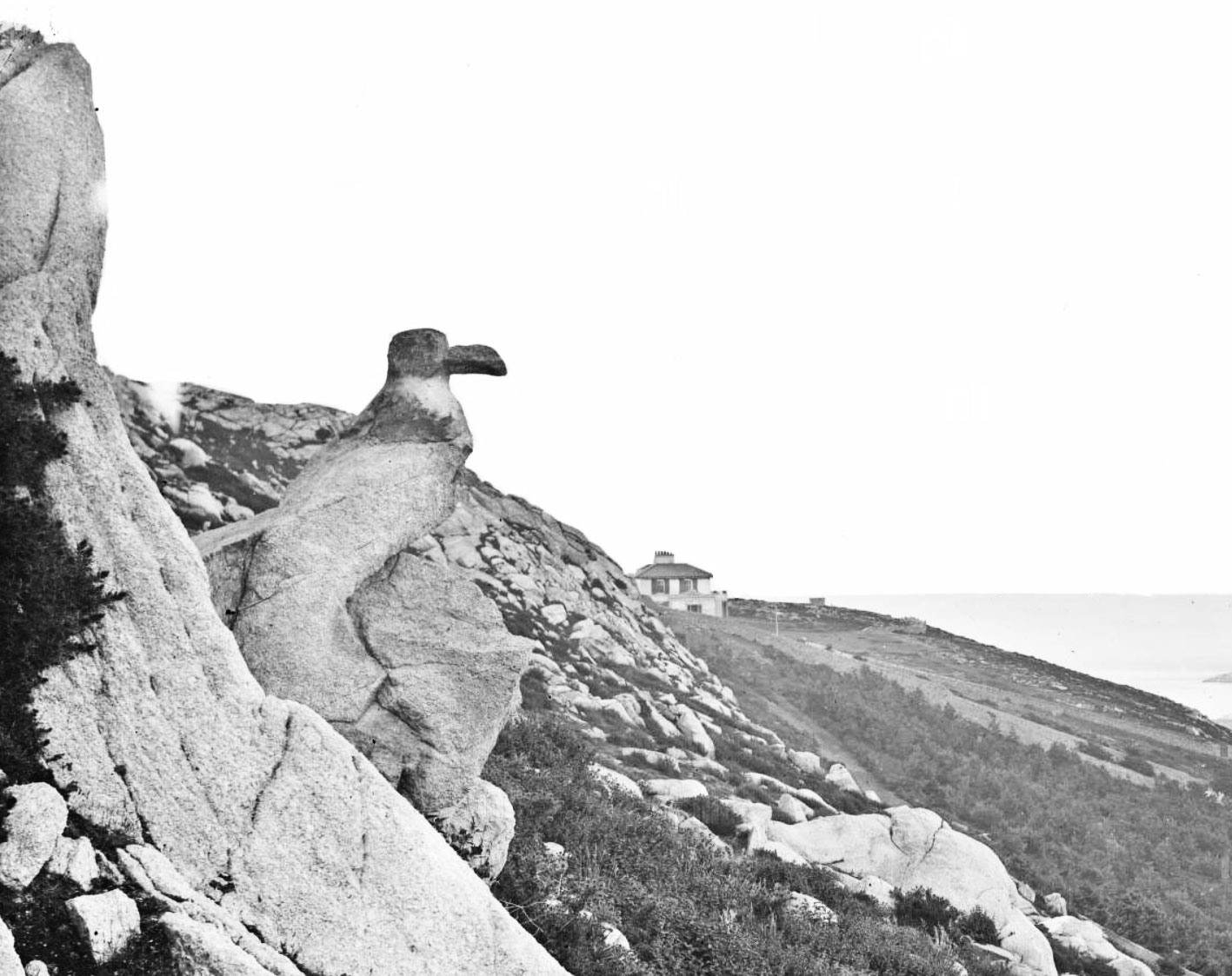
He says that the “Eagle ” was fashioned out of a piece of granite by two brothers, Joe and Tom Cooper, stonemasons, who lived in a lodge at the back of “St. Germains,”
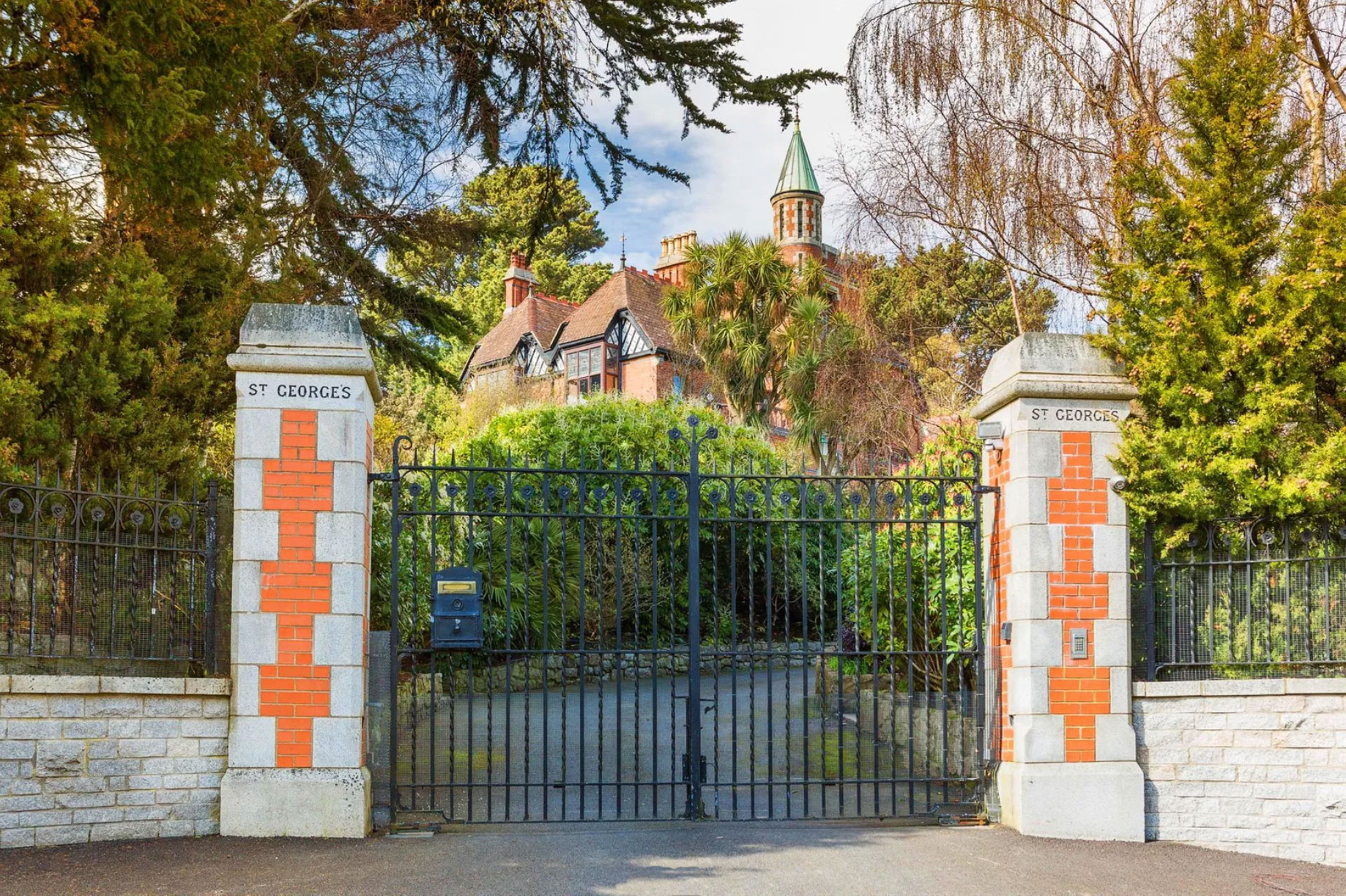
St. George’s was designed and built by George Ashlin, the noted architect. His wife was the granddaughter of Augustus Welby Pugin, a devoted admirer of the Gothic.