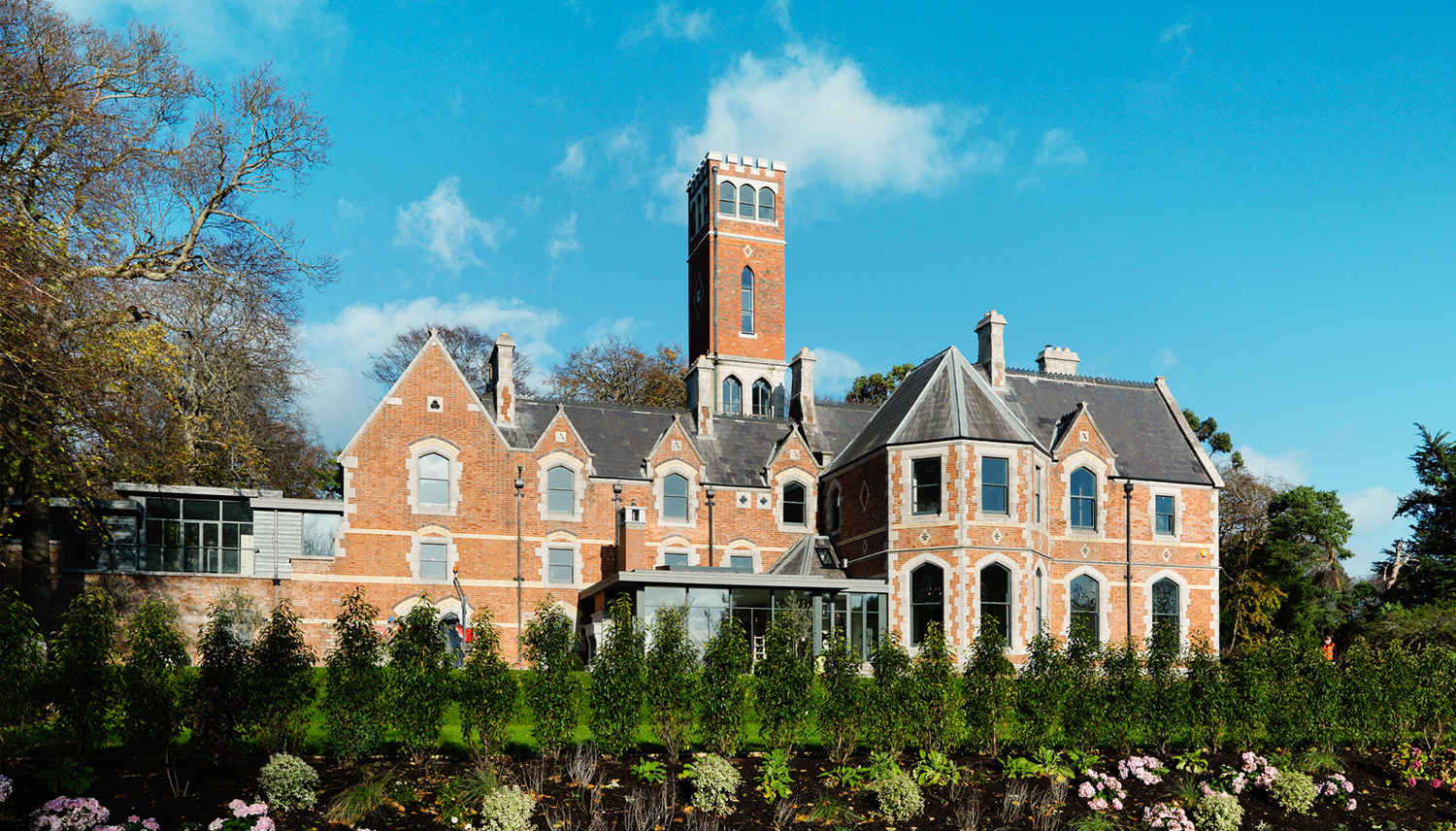
Ashurst
The site upon which Ashurst stands was originally in the ownership of Thomas Oxley. He was recorded as residing in the now demolished Martello Lodge/House until 1852.

A history of people, places and houses
The site upon which Ashurst stands was originally in the ownership of Thomas Oxley. He was recorded as residing in the now demolished Martello Lodge/House until 1852.
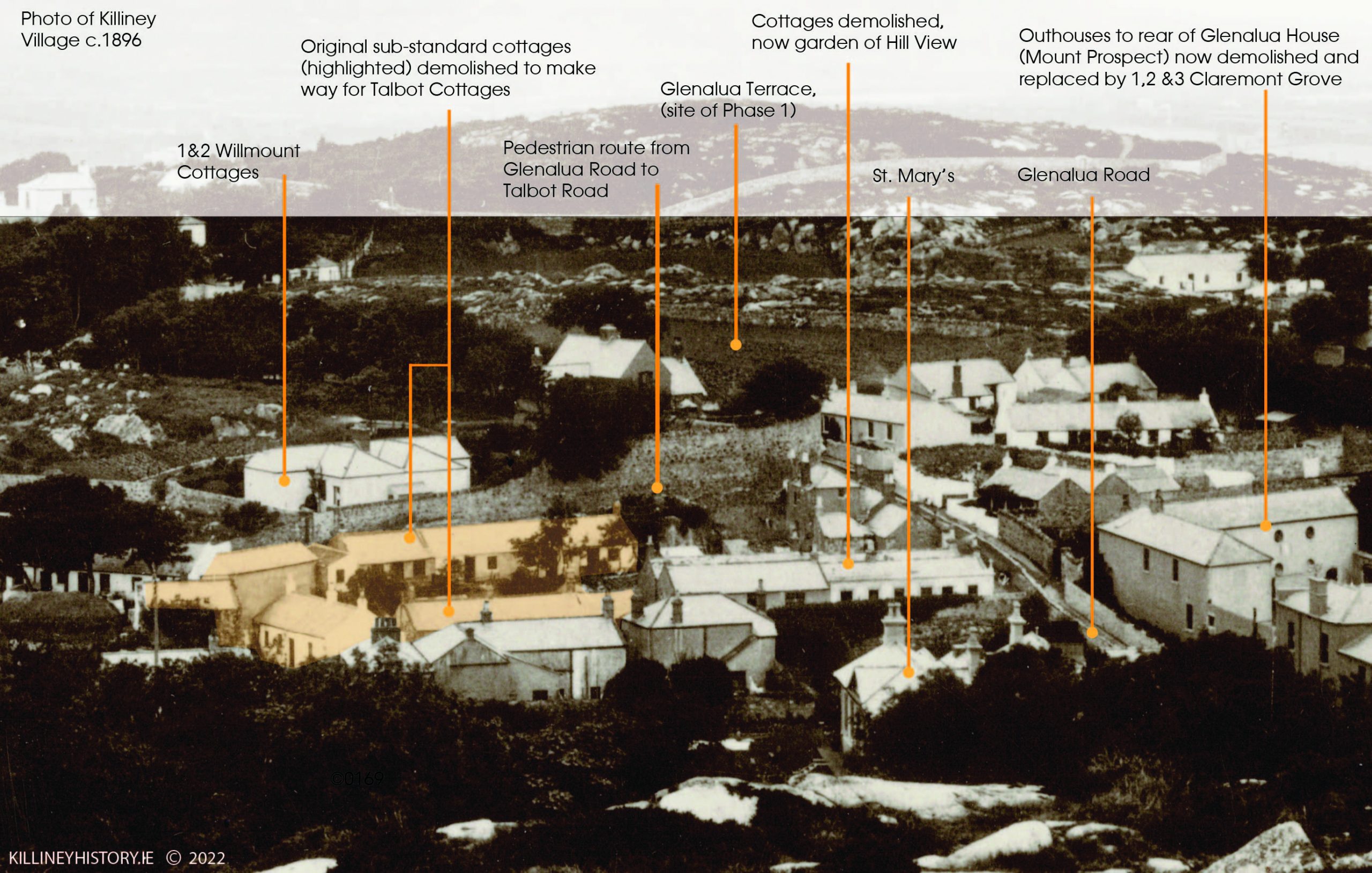
In 1912 the demolition of 9 sub-standard cottages on Talbot Road paved the way for the construction of Nos.1-5 Talbot Cottages
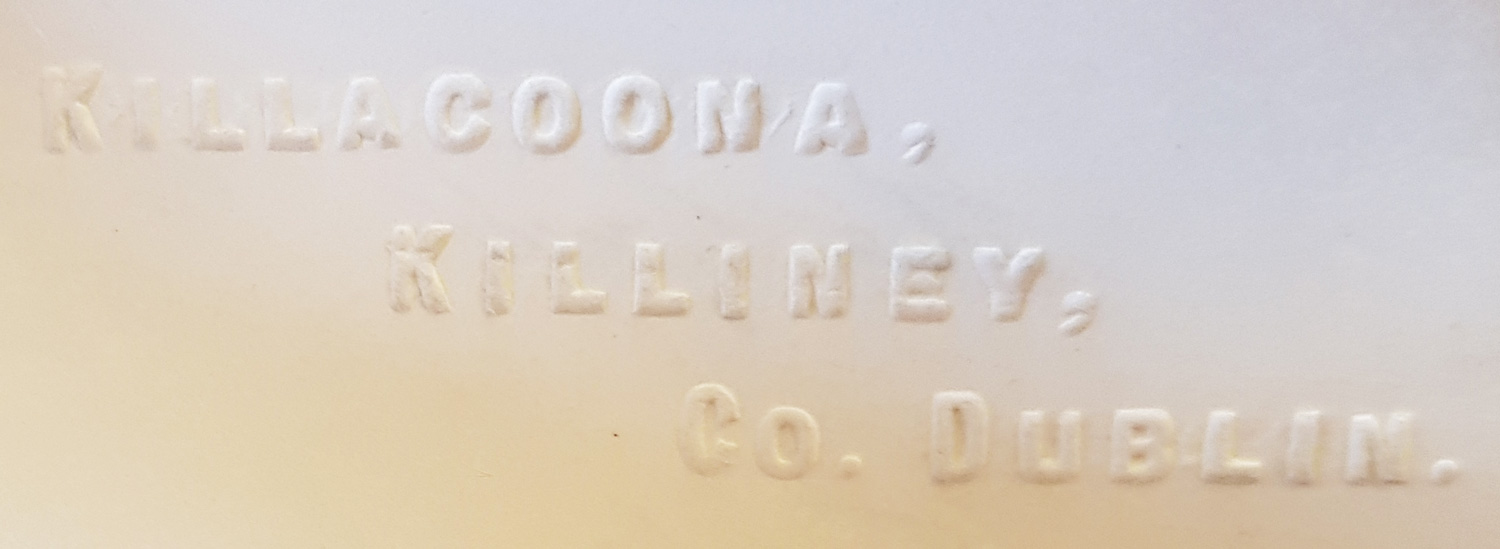
Killacoona House is now incorporated into the Holy Child convent school, and, like The Grove and Carrigrennane, it was a large, redbrick, Tudor-style house, built facing south with views of Bray Head in the distance.
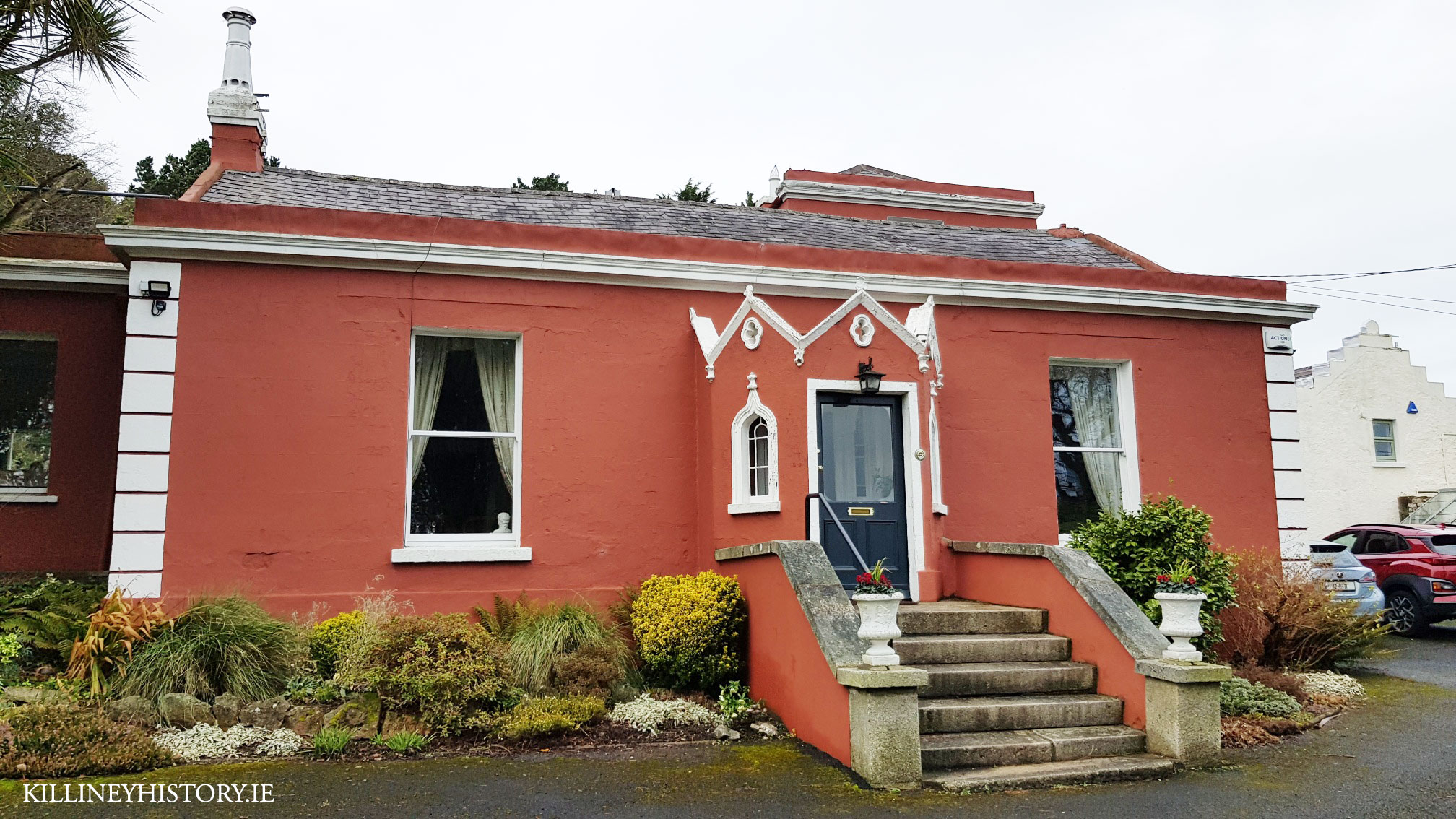
The earliest reference to this property appears on the 1843 Ordnance Survey map where the house is called Derrynane Lodge. The exact date of the erection of the house is unknown but it was one of the first significant residences to be built on Glenalua Road
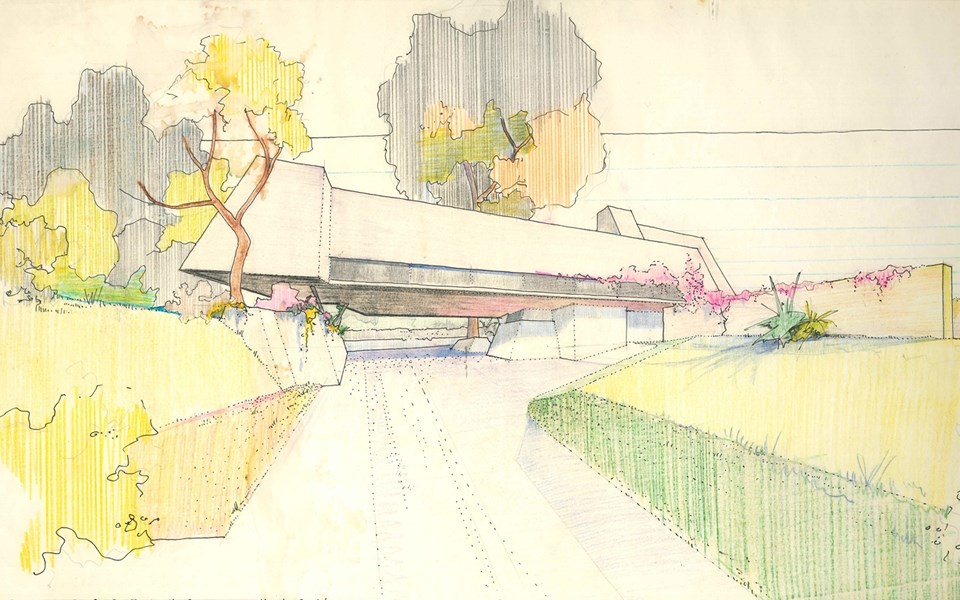
The render atmosphere – all Wrightian vertical setsquare lines and yellow grass and exotic plants – feels light and airy. Optimistic. American. The crisp geometric angles of the form are reminiscent of Frank LLoyd Wright’s Californian Mayan works, but floating.
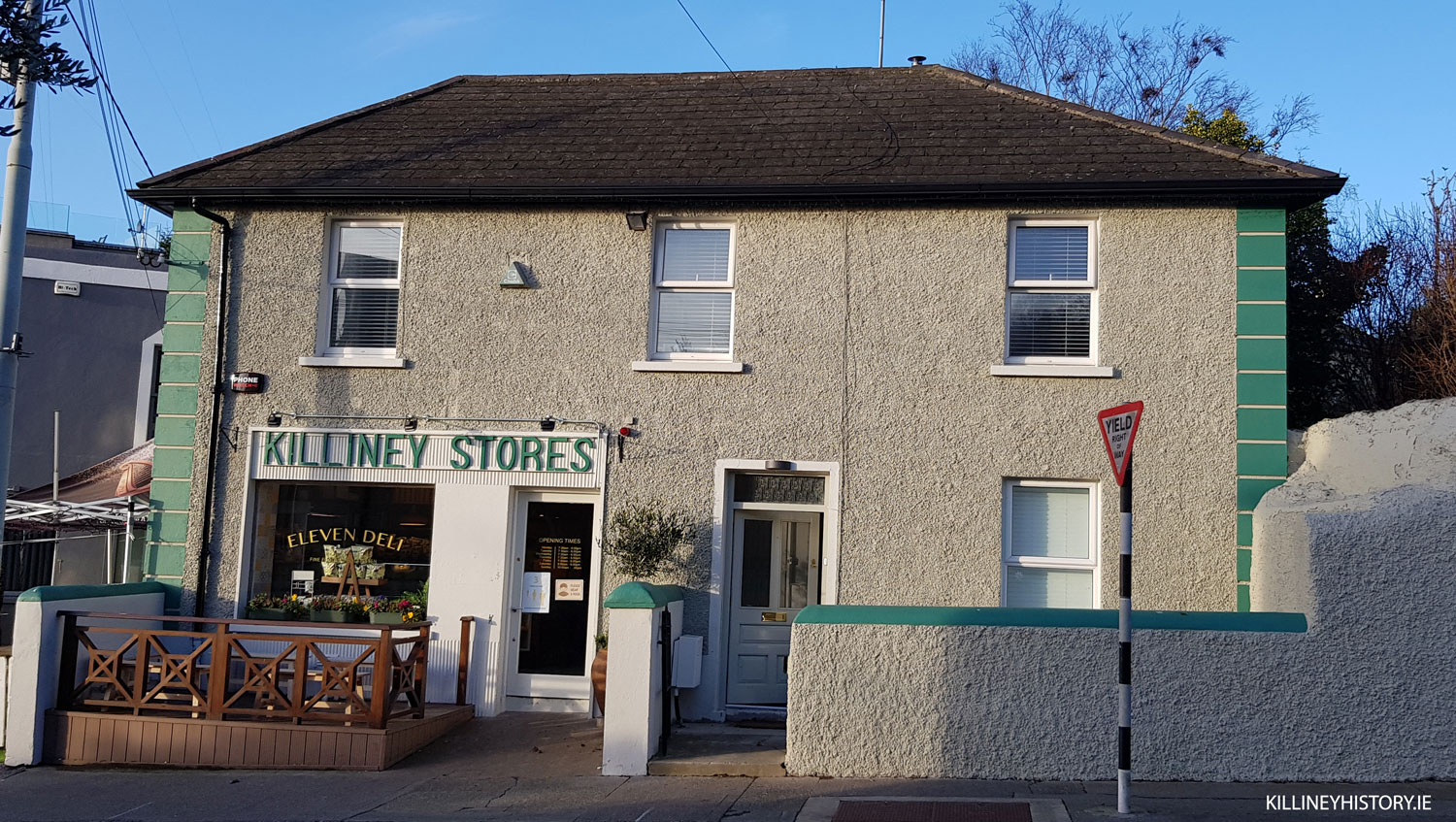
From 1900 to 1921 Bay View was the location of the Killiney Telephone Exchange when it was engulfed in fire and destroyed during an incident which occurred during The War of Independence
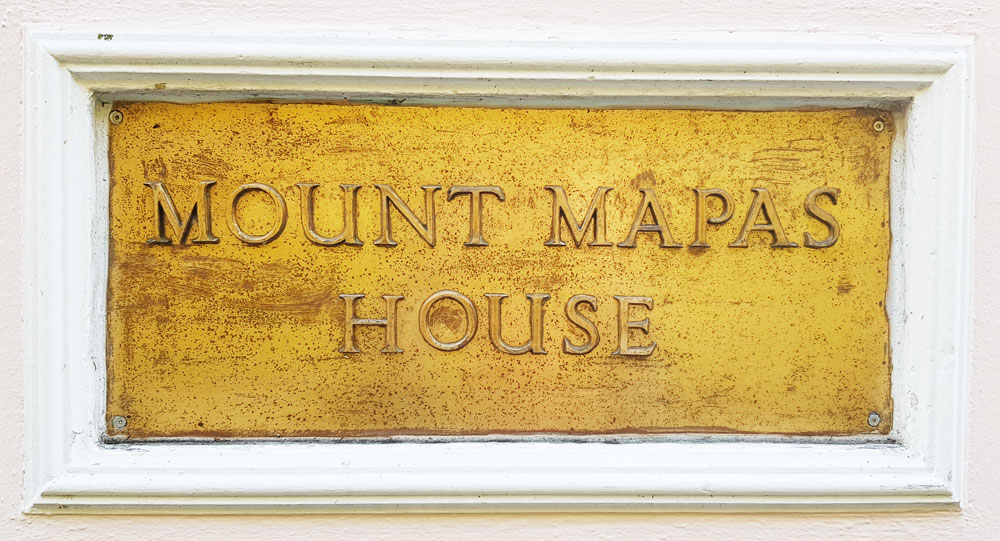
Mount Mapas was the first house to be built on Victoria Road and the southern end of the Vico Road.
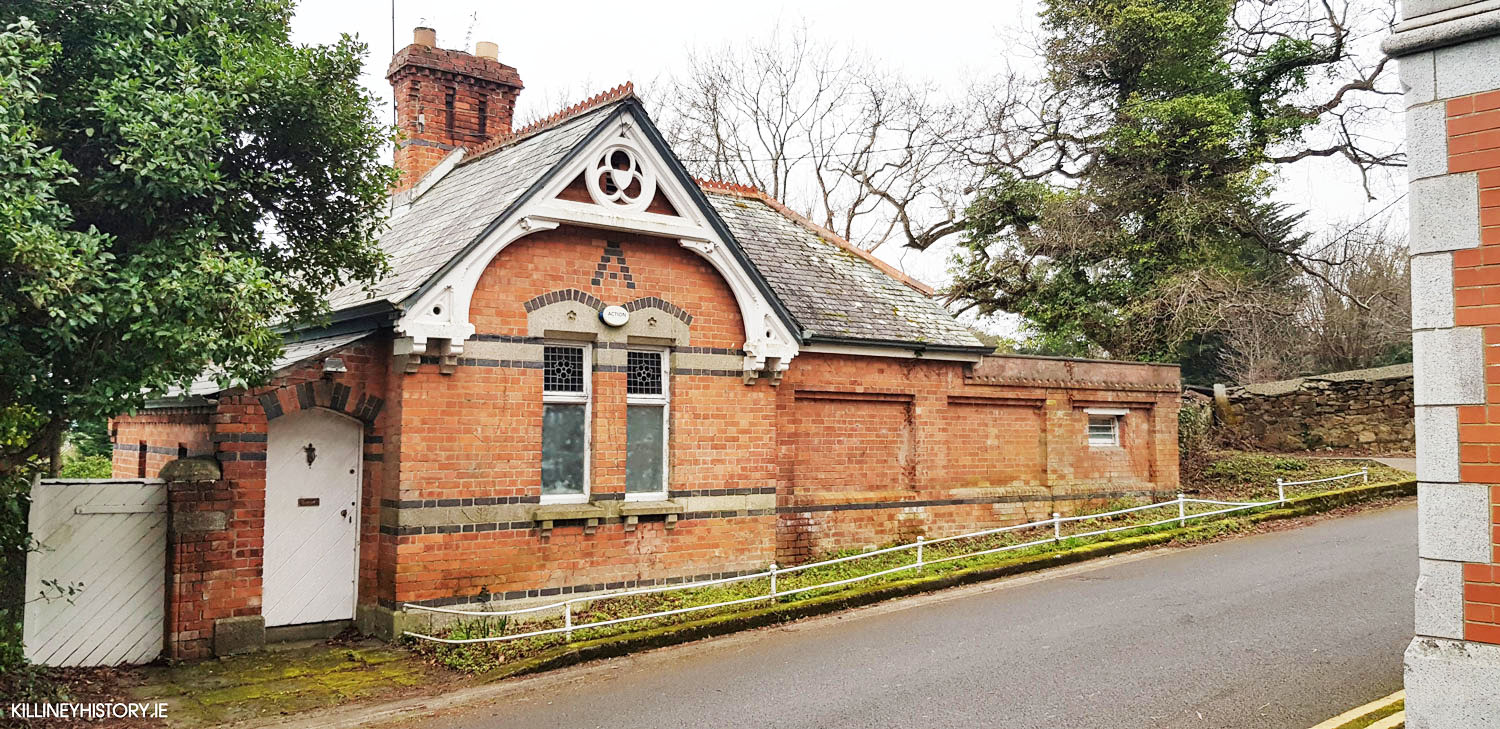
Mia Cranwill was an Irish designer and metal artist, and was one of the leading artists of the Irish Celtic Revival. She lived in the lodge which she called Drum-Goibhneann in the 1920’s to 1930’s.
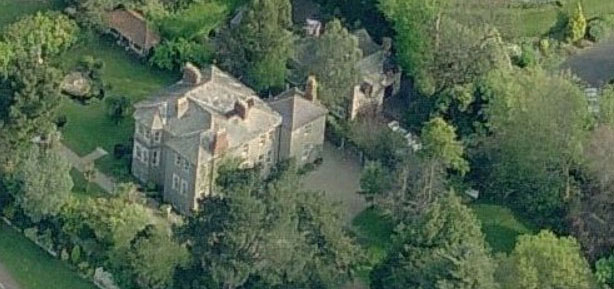
This large Victorian house which was built on a substantial site off Killiney Avenue falls largely within the description of a particular style of house being erected in Killiney in the mid to late nineteenth century.