The Grove

The house and offices on this holding are in good repair, and command an extensive view of Dublin Bay, and are admirably adapted as a summer residence, and produce, when let furnished, the yearly rent of £150. There is a constant supply of fresh water on the premises.
Padua (previously Desmond)

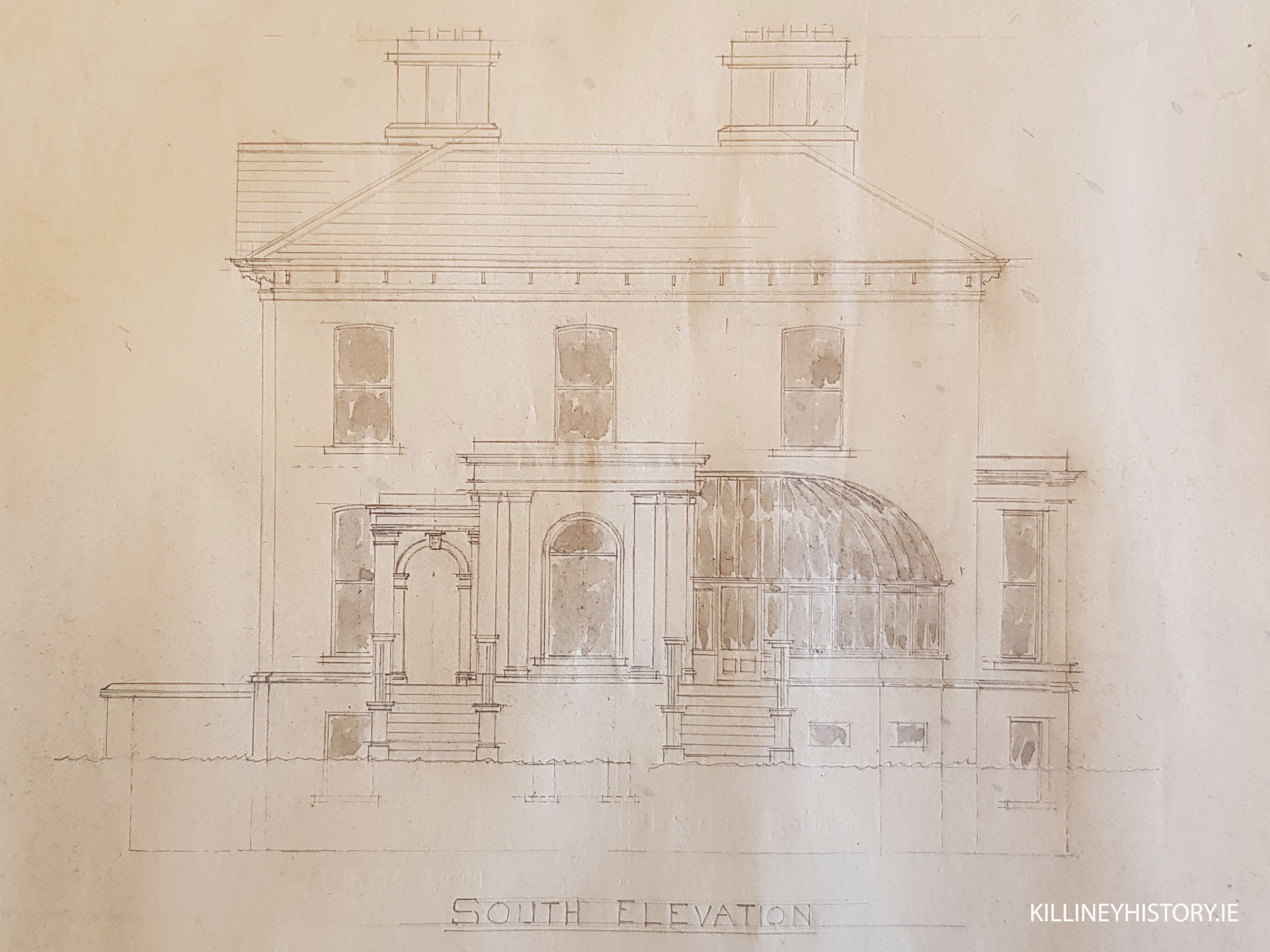
As one of the earliest recorded houses in Killiney from available mapping we have been able to trace the development of Desmond over the years. The first map showing the house is dated 1837 and shows a simple rectangular shaped dwelling with a projecting central bay to the rear of the main house facing the stable yard.

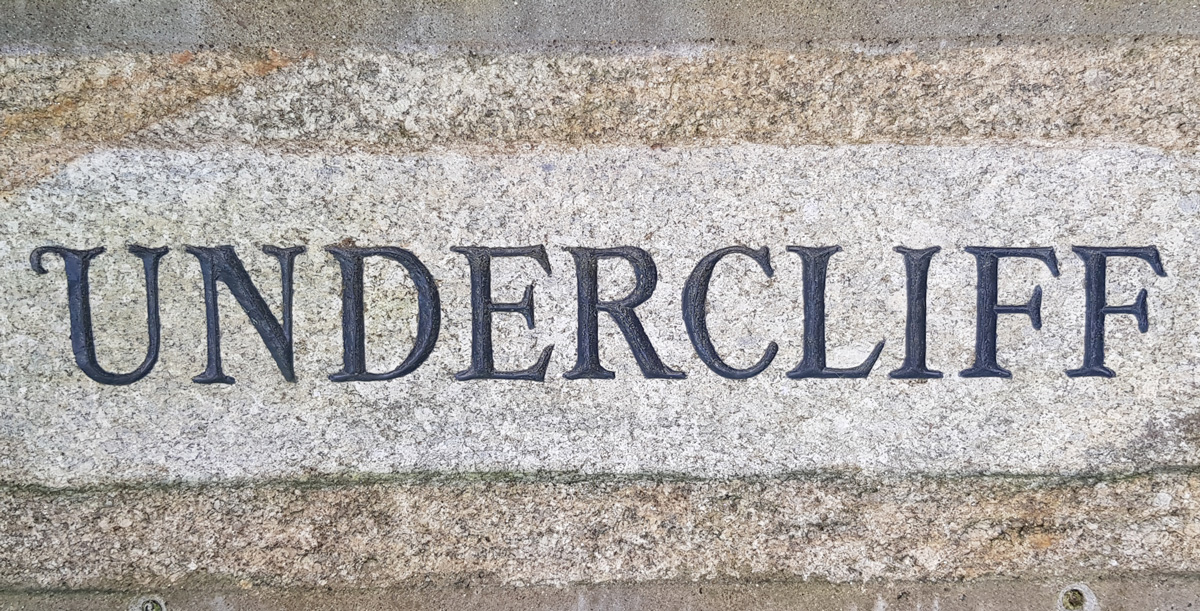
Undercliff

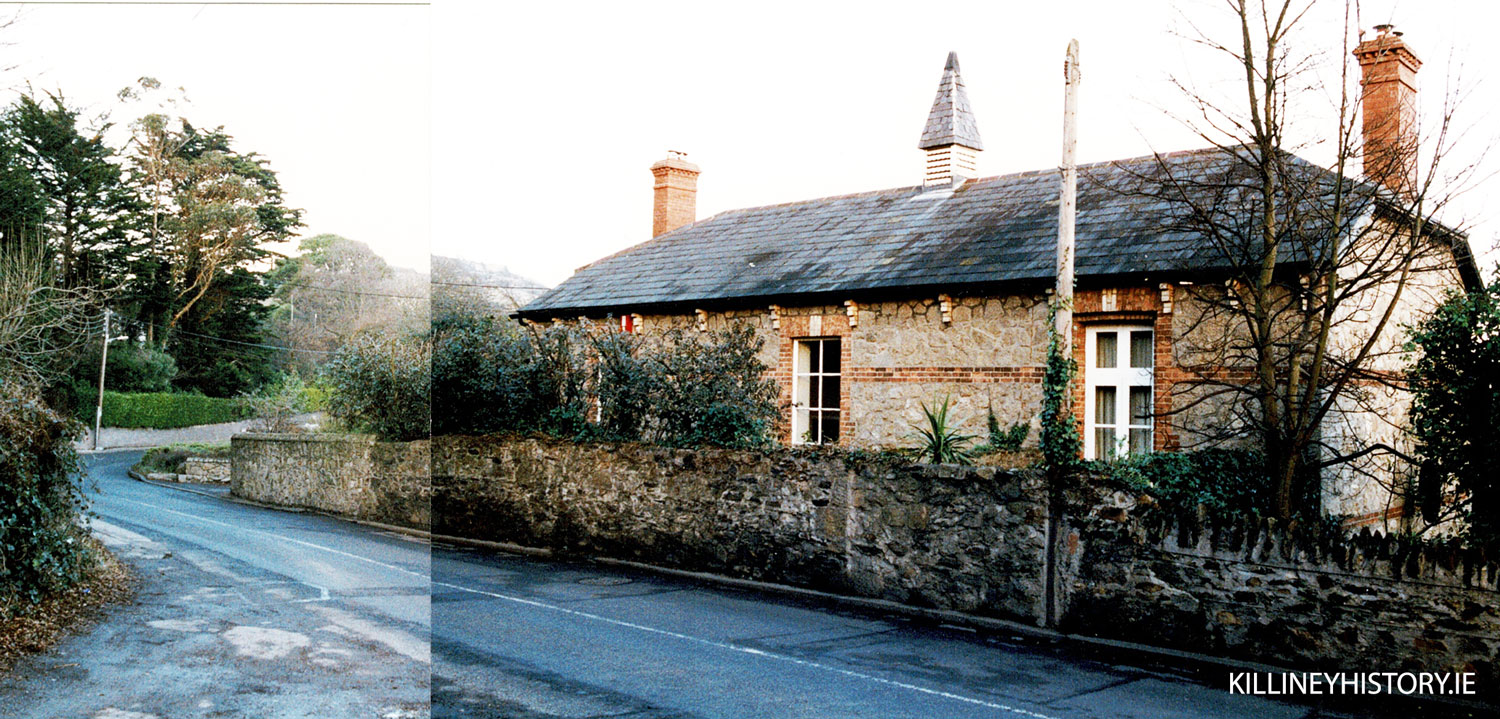
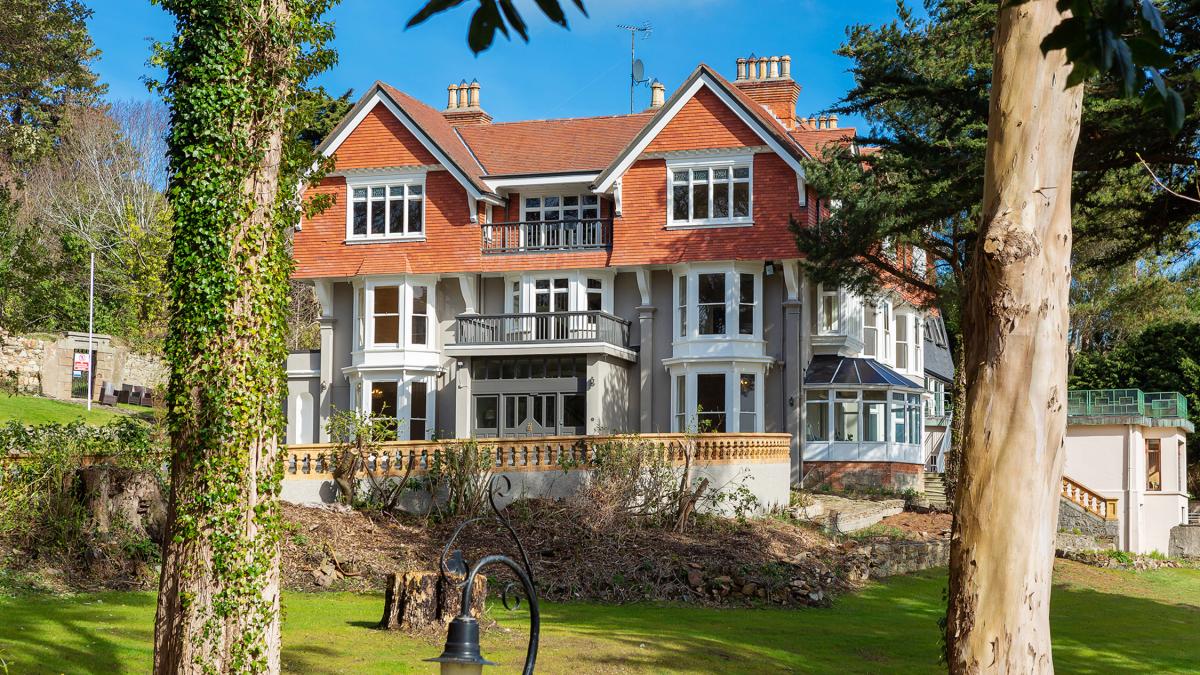
The most successful architecturally is Francis Robinson’s Undercliffe, undoubtedly Woodward’s work and the apparent prototype from which the others were derived. The lease of Undercliffe was the first to be registered, on 13 February 1861, and it seems likely that it was also the first house to be started.

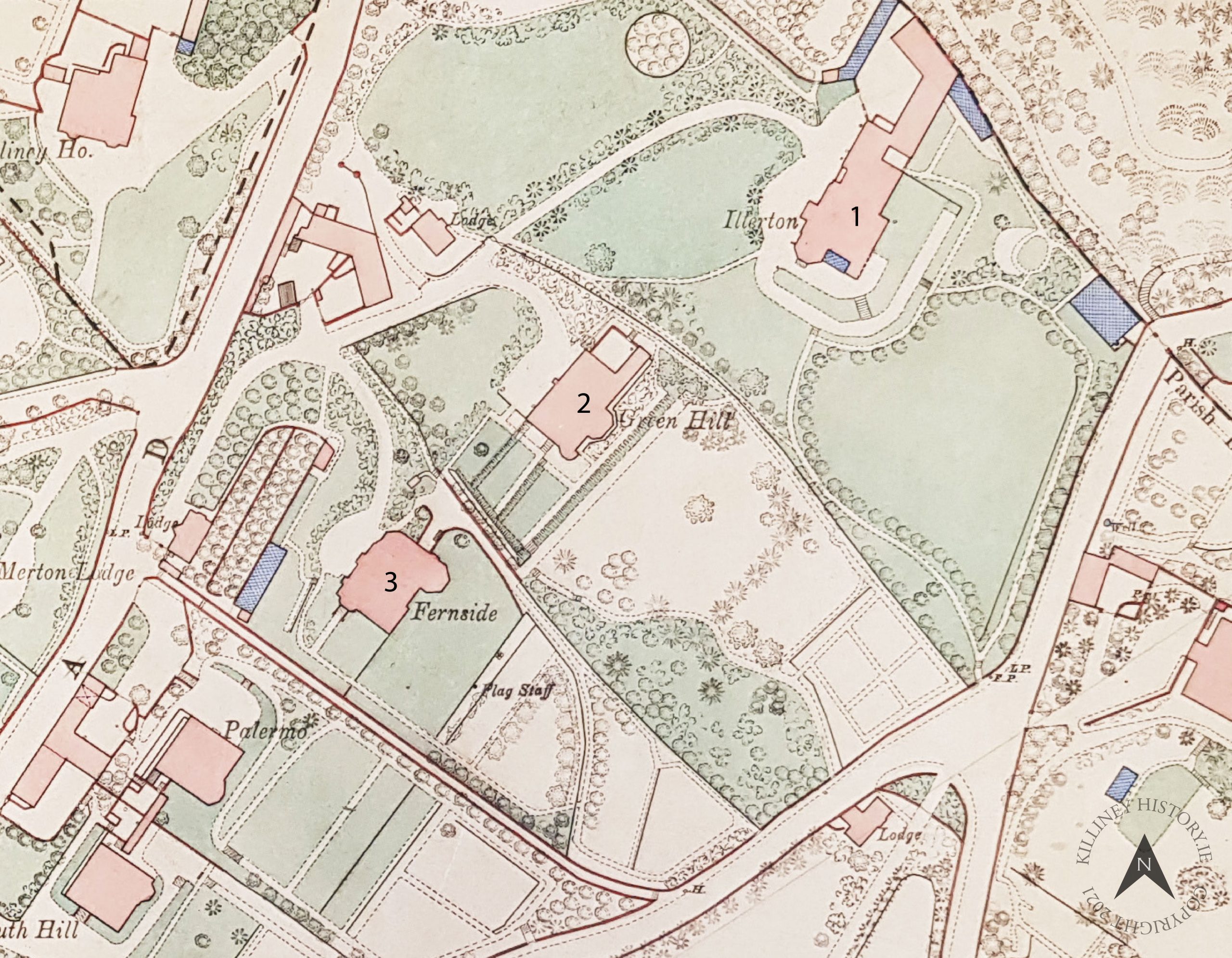
Illerton

The elevations and chimneys have a liberal sprinkling of Jacobethan ornament. The porch is probably original, though it looks like an addition. The kitchen and servants’ quarters are separately articulated under a straightforward, and relatively low, hipped roof,

The Killiney Houses of Deane & Woodward Architects

The only reference to Deane and Woodward’s domestic works to be published in the columns of The Dublin Builder appeared in the issue of 15 February 1861. In a piece on house building in Ballybrack, County Dublin, the writer referred in passing to six new dwelling houses being built to their designs, including one for Joseph Robinson, ‘the eminent opera singer’.

A KILLINEY SCHOOLBOY REMEMBERS

The recollections of Arthur Haughton who was born in 1903 and who lived in the area for all of his life is a fascinating record of many aspects of daily life and local history which would otherwise be lost forever.

Cliff House (previously Green Hill)

Joseph Robinson’s Green Hill is a cross between Undercliffe and Fernside in that it has a turret and a projecting bow. The turret is placed in the angle of the drawing-room wall. One of the chimneystacks is placed at a 45 degree angle as at St Austin’s Abbey, while the entrance has a Gothic arch